Tuesday, 17 March 2026

Gate Valves in the Pharmaceutical Industry: Ensuring Sterile and Reliable Flow Control

 The pharmaceutical industry demands the highest levels of precision, hygiene, and safety in every stage of production. From processing active ingredients to handling purified water, maintaining contamination-free flow is critical. This is where Gate valves play a vital role. Known for their tight sealing and full-bore design, gate valves are widely used in pharmaceutical plants to ensure smooth and sterile fluid control.

What is a Gate Valve?

A gate valve is a type of isolation valve that controls the flow of fluid by lifting a gate (wedge) out of the flow path. It is primarily used for on/off control rather than flow regulation. The straight-through design allows minimal pressure drop and prevents fluid obstruction, making it ideal for sensitive pharmaceutical processes.

Why Gate Valves are Used in the Pharmaceutical Industry

1. Hygienic and Contamination-Free Flow

Pharmaceutical manufacturing requires strict hygiene standards. Gate valves used in this sector are often made from stainless steel (SS 316/SS 304), which ensures:

  • Corrosion resistance

  • Easy cleaning

  • No contamination of fluids

2. Full Bore Design for Smooth Flow

The unobstructed passage of a gate valve allows:

  • Easy movement of liquids without turbulence

  • Reduced risk of bacterial growth

  • Compatibility with CIP (Clean-In-Place) and SIP (Sterilization-In-Place) systems

3. Leak-Proof Shut-Off

Gate valves provide tight sealing, which is essential in pharmaceutical applications where even minor leakage can lead to:

  • Product loss

  • Contamination risks

  • Compliance issues

4. Compatibility with High-Purity Systems

Pharma processes often involve purified water (PW), WFI (Water for Injection), and sensitive chemicals. Gate valves ensure:

  • No chemical reaction with valve material

  • Maintenance of fluid purity

Types of Gate Valves Used in Pharma Applications

1. Stainless Steel Gate Valves

Most commonly used due to their hygienic properties and durability.

2. Rising Stem Gate Valves

Provide visual indication of valve position, ensuring operational safety.

3. Non-Rising Stem Gate Valves

Used where space is limited in compact pharmaceutical setups.

Applications of Gate Valves in Pharmaceutical Plants

Gate valves are used in various critical systems, including:

  • Water Purification Systems (RO, WFI loops)

  • Steam Lines for Sterilization

  • Chemical Processing Units

  • Cleanroom Utility Systems

  • Bulk Drug Manufacturing Pipelines

Material Selection for Pharmaceutical Gate Valves

Choosing the right material is crucial. Common materials include:

  • SS 316 / SS 316L – सर्वोत्तम for high-purity applications

  • SS 304 – Suitable for general applications

  • PTFE Seals – Provide chemical resistance and leak-proof sealing

Advantages of Gate Valves in Pharma Industry

  • ✔ Excellent sealing capability

  • ✔ Minimal pressure loss

  • ✔ Long service life

  • ✔ Easy maintenance

  • ✔ Suitable for high-temperature sterilization processes

Key Factors to Consider When Selecting a Gate Valve

Before selecting a gate valve for pharmaceutical use, consider:

  • Material compliance (FDA/GMP standards)

  • Pressure and temperature rating

  • Surface finish (polished internal surfaces)

  • Ease of cleaning and sterilization

  • Valve size and connection type

Maintenance and Best Practices

To ensure long-term performance:

  • Regular inspection and cleaning

  • Use of proper sterilization techniques

  • Replacement of worn-out seals

  • Avoid partial opening (as gate valves are not for throttling)

Conclusion

Gate valves are an essential component in pharmaceutical manufacturing, offering reliable isolation, hygienic flow, and compliance with strict industry standards. Their robust design and contamination-free operation make them a preferred choice for critical applications.

For industries where purity and precision matter the most, selecting the right gate valve can significantly enhance efficiency and product quality.

Wednesday, 19 February 2025

Stainless Steel Gate Valve – Features, Applications, and Technical Specifications

Stainless steel gate valves are essential components in industrial fluid control systems. These valves are designed to regulate the flow of liquids and gases by using a gate mechanism that moves up and down within the valve body. Known for their durability and corrosion resistance, stainless steel gate valves are widely used in industries that require high-performance and long-lasting solutions. Their ability to withstand extreme temperatures and pressures makes them a preferred choice in demanding applications.

Working Principle of Stainless Steel Gate Valve

A stainless steel gate valve operates using a linear motion mechanism. The gate, which is typically a solid metal disc, moves perpendicular to the flow direction to open or close the passage. When fully open, the gate valve allows unobstructed fluid flow, minimizing pressure drop. In the closed position, it provides a tight seal, preventing leakage. The operation can be manual (handwheel or lever) or automated (actuators). This design makes gate valves suitable for on/off control rather than throttling applications.

Stainless Steel API 600 Gate Valves

Types of Stainless Steel Gate Valves

Wedge Gate Valve

  • Solid Wedge: Provides strength and durability, suitable for various pressure and temperature conditions.

  • Flexible Wedge: Offers improved sealing by adjusting to thermal expansion and pressure changes.

  • Split Wedge: Ideal for handling non-uniform pressure distribution, reducing stress on the valve.

Parallel Gate Valve

  • Knife Gate Valve: Designed for slurry and viscous fluid applications, providing minimal clogging.

  • Slab Gate Valve: Used in pipelines with high flow rates and minimal pressure drop.

Rising Stem vs. Non-Rising Stem Design

  • Rising Stem: Stem moves up when the valve is opened, providing a visual indication of valve position.

  • Non-Rising Stem: Stem remains stationary while the gate moves, ideal for confined spaces.

Technical Specifications

  • Material: SS 304, SS 316, SS 316L.

  • Size Range: ½” to 24” (or more based on industry needs).

  • Pressure Rating: ANSI 150, 300, 600, 900, 1500, 2500.

  • Temperature Range: -50°C to 600°C (or as per material properties).

  • End Connections: Flanged, Threaded, Welded (Butt & Socket Weld).

  • Design Standard: API 600, API 603, ASME B16.34.

  • Face-to-Face Dimensions: ASME B16.10.

  • Testing Standards: API 598, EN 12266.

Applications of Stainless Steel Gate Valves

  • Oil & Gas Industry: Used in upstream, midstream, and downstream applications for pipeline control.

  • Chemical and Petrochemical Plants: Handles corrosive and high-temperature fluids.

  • Water Treatment and Desalination: Ensures precise flow control in water processing systems.

  • Power Plants: Controls steam and water flow in thermal and nuclear power plants.

  • Pharmaceutical and Food Processing: Maintains hygiene and prevents contamination in clean environments.

Advantages of Stainless Steel Gate Valves

  • High resistance to corrosion and extreme temperatures: Ensures longevity and reliability.

  • Suitable for high-pressure applications: Capable of withstanding demanding conditions.

  • Minimal pressure drop in fully open position: Enhances efficiency and reduces energy costs.

  • Long service life with proper maintenance: Reduces operational costs and downtime.

How to Choose the Right Stainless Steel Gate Valve

Considerations:

  • Material grade: SS 304 for general applications, SS 316 for high corrosion resistance.

  • Pressure class: Select based on system requirements.

  • Size: Choose according to flow capacity and pipe dimensions.

  • Temperature compatibility: Ensure the valve withstands the operating environment.

  • Compliance with industry standards: Verify certifications like API and ASME.

Conclusion

Stainless steel Gate valves play a crucial role in industrial applications requiring precise flow control and durability. Their robust construction and corrosion-resistant properties make them an ideal choice for high-pressure and high-temperature environments. For reliable performance and industry-compliant solutions, Freture Techno Pvt. Ltd. is a trusted manufacturer and supplier of high-quality stainless steel gate valves in India.

Tuesday, 8 October 2024

Forged Steel Gate Valves: A Comprehensive Overview

 What are forged gate valves? Forged gate valves are specialized devices used to control the flow of liquids and gases within pipelines. Unlike traditional cast valves, which are formed by pouring molten metal into molds, forged gate valves are manufactured by shaping solid metal under high pressure. This process enhances their strength and durability, making them suitable for high-pressure and high-temperature applications.

How do forged gate valves function? 

The operational principle of forged gate valves is relatively straightforward. They feature a wedge-shaped disc that is raised or lowered to either allow or block the flow of fluid. When the valve is fully opened, the disc is lifted completely out of the flow path, providing minimal resistance to the fluid and ensuring optimal flow efficiency. Conversely, when the valve is closed, the disc seals tightly against the valve seat, preventing any leakage.

Forged Steel Gate Valves Manufactuirers in India

What are the advantages of forged gate valves? 

One significant advantage of forged gate valves is their robust construction, which allows them to withstand high pressure and temperature extremes. This durability makes them an excellent choice for industries such as oil and gas, power generation, and chemical processing, where reliable performance is critical. Additionally, forged gate valves typically have a longer lifespan compared to their cast counterparts, which can lead to reduced maintenance costs over time.

In what applications are forged gate valves commonly used? 

Forged gate valves are utilized in various applications where fluid control is essential. They are particularly effective in on/off service, making them ideal for pipelines that require infrequent flow regulation. Common applications include power plants, oil refineries, and water treatment facilities. The ability to maintain a tight seal while handling high-pressure conditions makes these valves a preferred choice in many industrial settings.

How are forged gate valves different from other valve types? 

While forged gate valves excel in applications requiring on/off control, they differ significantly from other types of valves, such as globe valves or ball valves. Globe valves are designed for throttling services and provide better flow regulation but can cause higher pressure drops. On the other hand, ball valves offer quick operation and low resistance to flow but may not provide the same level of sealing as gate valves. Therefore, the choice of valve type depends on the specific requirements of the application.

What materials are used in forged gate valves?

Forged gate valves can be manufactured from various materials, including carbon steel, stainless steel, and special alloys, depending on the application requirements. Carbon steel valves are commonly used for general applications, while stainless steel valves are preferred for corrosive environments due to their resistance to oxidation and corrosion. The selection of material significantly influences the valve’s performance, lifespan, and suitability for specific media.

How does maintenance affect the performance of forged gate valves?

Regular maintenance is essential to ensure the reliable operation of forged gate valves. Routine inspections can help identify potential issues, such as wear or corrosion, before they escalate into significant problems. It is also crucial to lubricate moving parts and replace seals when necessary to maintain optimal performance. By following a proactive maintenance schedule, operators can extend the life of their forged gate valves and reduce downtime.

What should be considered when purchasing forged gate valves? 

When purchasing forged gate valves, several factors should be taken into account. The operating conditions, such as pressure and temperature, should be assessed to determine the appropriate material and design. Additionally, the specific requirements of the application, including the type of fluid being handled and the need for sealing capabilities, should be evaluated. Finally, sourcing from a reputable manufacturer ensures that the valves meet industry standards and are designed for durability and performance.

Why choose Freture Techno Pvt. Ltd. for forged gate valves?

For those seeking reliable and high-quality forged gate valves, Freture Techno Pvt. Ltd. stands out as a premier manufacturer. With a commitment to excellence and a focus on customer satisfaction, the company offers a range of forged gate valves tailored to meet diverse industrial needs. Utilizing advanced manufacturing techniques and stringent quality control measures, Freture Techno Pvt. Ltd. ensures that each valve is built to last, providing exceptional performance in even the most demanding environments.

In conclusion, forged gate valves are essential components in many industrial applications, offering reliability, durability, and excellent flow control. Understanding their features, advantages, and applications can aid in making informed decisions when selecting valves for specific projects.

Buy Forged Steel Gate Valves from Freture Techno Pvt. Ltd. to ensure high-quality solutions that meet your operational needs.

Wednesday, 18 September 2024

API 600 Gate Valve: Reliable Flow Control for Industrial Applications

The API 600 gate valve is a vital component in industries requiring precise flow control and isolation. Designed to meet the rigorous standards set by the American Petroleum Institute (API), this valve is widely used in applications such as oil and gas, petrochemical, and power generation. The API 600 gate valve is known for its robust construction and reliability, ensuring optimal performance in high-pressure and high-temperature environments.


The primary function of an API 600 gate valve is to start or stop the flow of fluid. When fully open, the valve allows a smooth, unobstructed flow, reducing pressure drop and ensuring efficiency. Its flexible wedge design provides better sealing and longer service life, even in challenging conditions. Manufactured from durable materials such as carbon steel, stainless steel, and alloy steels, the API 600 gate valve is highly resistant to corrosion and wear, making it suitable for a range of applications.

One of the key features of the API 600 gate valve is its bolted bonnet construction, which provides easy access for maintenance and repairs. The backseat design, combined with the solid or flexible wedge, ensures tight sealing and leak prevention, enhancing the valve’s performance in critical operations.

For industries seeking reliable and long-lasting flow control solutions, the API 600 gate valve offers a balance of strength, durability, and efficiency. It complies with international safety and quality standards, making it an essential choice for demanding industrial applications.

Buy API 600 gate valves from Freture Techno Pvt. Ltd., the leading manufacturer in Mumbai, India. With a strong commitment to quality and innovation, Freture Techno Pvt. Ltd. delivers high-performance valves that meet the diverse needs of various industries worldwide.

Friday, 2 February 2024

API 600 vs. API 602 Gate Valves: Understanding the Differences

In the realm of industrial valves, gate valves play a crucial role in regulating fluid flow in pipelines and process systems. As industry standards evolve to meet the demands of modern applications, two prominent specifications, API 600 and API 602, have emerged to govern the design, manufacturing, and performance of gate valves. In this comprehensive guide, we delve into the distinctions between API 600 and API 602 gate valves, examining their specifications, features, applications, and how these differences impact their suitability for various industries.

API 600 Gate Valves:

API 600, also known as ASME B16.34, sets the standard for bolted bonnet steel gate valves for petroleum and natural gas industries. These gate valves are designed for high-temperature and high-pressure applications, making them well-suited for upstream, midstream, and downstream operations in the oil and gas sector. One of the defining characteristics of API 600 gate valves is their robust construction, which ensures durability and reliability in demanding environments.

Key features of API 600 gate valves include:

Bolted Bonnet Design: API 600 gate valves feature a bolted bonnet construction, providing a secure seal and easy access for maintenance and repair.

Flexible Wedge: The wedge design of API 600 gate valves allows for flexibility in seating, ensuring tight shutoff even in conditions of thermal expansion or contraction.

Rising Stem: With a rising stem configuration, API 600 gate valves provide visual indication of valve position, facilitating operation and maintenance.

Flanged or Butt Weld End Connections: These gate valves offer options for flanged or butt weld end connections, allowing for easy integration into piping systems.

API 602 Gate Valves:

API 602, also known as ASME B16.34, specifies requirements for compact steel gate valves for refinery and chemical plant applications. These gate valves are designed to meet the challenges of high-pressure and low-temperature service conditions, offering enhanced performance and reliability in critical service applications. API 602 gate valves are typically smaller in size compared to API 600 gate valves, making them ideal for space-constrained installations.

Key features of API 602 gate valves include:

Integral Bonnet Design: API 602 gate valves feature an integral bonnet construction, providing a compact and lightweight design with improved sealing integrity.

Pressure Seal Bonnet: The pressure seal bonnet design of API 602 gate valves enhances sealing performance at high pressures, minimizing the risk of leakage.

Wedge Gate: API 602 gate valves utilize a wedge gate design for optimal sealing and throttling performance, ensuring reliable shutoff in critical service conditions.

Socket Weld or Threaded End Connections: These gate valves offer options for socket weld or threaded end connections, providing versatility for installation in various piping systems.

Understanding the Differences:

While both API 600 and API 602 gate valves serve similar functions in regulating fluid flow, several key differences set them apart in terms of design, construction, and applications.

API 600 gate valves are designed for high-temperature and high-pressure applications commonly found in the oil and gas industry, whereas API 602 gate valves are tailored for high-pressure and low-temperature service conditions prevalent in refinery and chemical plant environments.

In terms of construction, API 600 gate valves typically feature a bolted bonnet design, whereas API 602 gate valves employ an integral bonnet construction with a pressure seal bonnet for enhanced sealing performance. Additionally, API 600 gate valves offer options for flanged or butt weld end connections, while API 602 gate valves provide choices for socket weld or threaded end connections.

Applications and Suitability:

The choice between API 600 and API 602 gate valves depends on the specific requirements of the application, including operating conditions, fluid characteristics, space limitations, and industry standards.

API 600 gate valves are well-suited for upstream, midstream, and downstream operations in the oil and gas industry, where high-pressure and high-temperature conditions are prevalent. These gate valves excel in applications such as pipeline transmission, refining processes, and petrochemical production.

On the other hand, API 602 gate valves are ideal for critical service applications in refinery and chemical plant environments, where high-pressure and low-temperature conditions pose challenges to valve performance and reliability. These gate valves are commonly used in processes such as hydrocarbon processing, chemical synthesis, and power generation.

Conclusion:

In summary, API 600 and API 602 gate valves are designed to meet the diverse needs of industrial applications, offering tailored solutions for high-pressure fluid flow control in different environments. While API 600 gate valves excel in high-temperature and high-pressure service conditions typical of the oil and gas industry, API 602 gate valves are optimized for high-pressure and low-temperature applications prevalent in refinery and chemical plant settings.

By understanding the differences between API 600 and API 602 gate valves, engineers, operators, and procurement professionals can make informed decisions regarding valve selection, ensuring optimal performance, reliability, and safety in their respective industries. Whether it's maintaining operational efficiency in a petrochemical refinery or ensuring process reliability in a chemical plant, the choice between API 600 and API 602 gate valves plays a critical role in achieving operational excellence and regulatory compliance.

Saturday, 28 October 2023

What is the benefit of a gate valve?

Gate valves offer several benefits that make them a preferred choice for certain applications:

Full Flow Control: Gate valves provide a straight-through, unobstructed flow path when fully open, resulting in minimal pressure drop. This feature is essential in applications where flow control and pressure regulation are critical.

Excellent Shut-Off Capabilities: Gate valves are known for their ability to create a tight seal when fully closed, preventing any flow through the pipeline. This characteristic makes them ideal for applications that require isolation and shut-off, as they provide a complete seal against the flow medium.

Versatility: Gate valves can be used in a wide range of industries and applications, from low-pressure to high-pressure, as well as in diverse temperature conditions. They are available in various materials to suit the requirements of different fluids and environments.

Durability: Gate valves are robust and durable, making them suitable for applications where reliability and long service life are essential. Their solid construction allows them to withstand demanding conditions and harsh environments.

Benefits of Gate Valves

Minimal Maintenance: Gate valves are relatively low-maintenance. They are less prone to wear and tear, as there is minimal contact between the gate and the seating surfaces during operation. This reduces the need for frequent maintenance and replacement.

Visual Confirmation (Rising Stem Valves): Rising stem gate valves provide a clear visual indication of the valve's position. When the stem is raised, it means the valve is open, and when it's fully lowered, the valve is closed. This visual feature helps in quickly determining the valve's status.

Precise Flow Control: Gate valves offer precise control over the flow rate, making them suitable for applications that require fine-tuned regulation of fluid flow.

Resistance to Abrasion: Gate valves, especially those with a solid wedge or flexible wedge design, are capable of handling fluids with suspended solids and abrasive materials without significant damage to the sealing surfaces.

Resistance to Abrasion: Gate valves are available in various sizes, making them adaptable to different pipe diameters and flow rates. They are used in both small and large diameter pipelines.

High-Pressure Applications: Gate valves, particularly those conforming to API standards like API 600, are designed to handle high-pressure and high-temperature environments, making them suitable for the oil and gas industry.

Sealing Integrity: Gate valves are known for their reliable sealing capabilities, which is crucial in applications where leakage can lead to safety hazards or environmental issues.

Variety of Gate Designs: Different types of gate valves, such as solid wedge, flexible wedge, and knife gate valves, are available, allowing users to choose the design that best suits their specific application.

While gate valves offer numerous advantages, it's important to note that they are not suitable for all applications. For instance, they are not typically used for throttling or controlling flow in partially open positions, as this can lead to erosion and damage to the seating surfaces. Therefore, the choice of valve type should be based on the specific requirements of the application.

Types of Gate Valves

There are several different types of gate valves, each with specific design features and applications. The main types of gate valves include:
Types of Gate Valves

Rising Stem Gate Valve: In this type, the stem rises above the valve's bonnet when the valve is opened, indicating the position of the gate. This design provides a clear visual indication of whether the valve is open or closed. Rising stem gate valves are commonly used in applications where it's important to know the valve's status visually.

Non-Rising Stem Gate Valve: In contrast to the rising stem design, the stem of a non-rising stem gate valve remains in a fixed position when the valve is operated. Instead of the stem rising, the gate itself moves up and down. These valves are often used in applications with limited vertical space.

Solid Wedge Gate Valve: Solid wedge gate valves have a single, solid gate that moves up and down to control the flow. They are suitable for a wide range of applications and are known for their durability and reliability.

Flexible Wedge Gate Valve: Flexible wedge gate valves have a gate that consists of two or more pieces connected by a hinge. This design allows the gate to flex slightly, which can improve the sealing capabilities of the valve. Flexible wedge gate valves are often used in applications with temperature variations.

Split Wedge Gate Valve: A split wedge gate valve has a gate that is divided into two parts. This design can provide better sealing capabilities when dealing with irregular or damaged seating surfaces.

Parallel Slide Gate Valve: Parallel slide gate valves have gates that move parallel to the direction of fluid flow. This design reduces the wear on the seating surfaces and can provide a tight seal, making them suitable for high-temperature and high-pressure applications.

Knife Gate Valve: Knife gate valves have a blade-like gate that cuts through the flow of the medium. They are commonly used in applications involving thick slurry or fluids with suspended solids, as the design minimizes clogging.

Conduit Gate Valve: Conduit gate valves have a tapered or wedge-shaped gate, allowing for a full bore opening when fully open. They are used in applications that require minimum pressure drop and a smooth, unobstructed flow path.

Slab Gate Valve: Slab gate valves feature a flat, rectangular gate. They are often used in high-pressure applications and are known for their ability to withstand extreme conditions.

Cryogenic Gate Valve: Cryogenic gate valves are specially designed to operate in extremely low-temperature environments, such as those found in the liquefied natural gas (LNG) industry.

API Gate Valve: Gate valves that conform to specific standards set by the American Petroleum Institute (API), such as API 600, are commonly used in the oil and gas industry for high-pressure and high-temperature applications.

The choice of gate valve type depends on the specific requirements of the application, including factors such as pressure, temperature, the type of fluid, and the need for sealing and reliability. Each type of gate valve offers unique advantages and may be better suited to certain conditions.

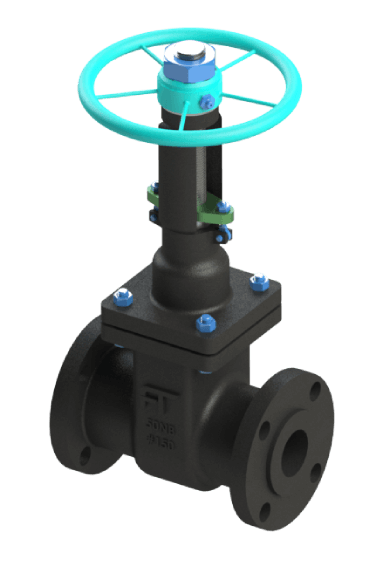
Gate Valves in the Pharmaceutical Industry: Ensuring Sterile and Reliable Flow Control

 The pharmaceutical industry demands the highest levels of precision, hygiene, and safety in every stage of production. From processing acti...